

Representing the highest classification in Burgundy, Grand Cru vineyards form appellations of their own, with sharply defined boundaries and the most exacting standards. Yields are tightly limited, and the vineyard name alone is sufficient. From these rare sites—comprising just around 1% of Burgundy’s 30,000 hectares of vineyard—come wines of profound concentration and longevity, where the voice of place is at its most complete and unmistakable.
The largest village in the Côte de Nuits, famous for bold, structured Pinot Noir. Its wines are typically powerful and masculine in style, with dark fruit, firm tannins, and earthy, sometimes sauvage notes. Despite their strength, the best examples also show refinement and long aging potential.
A mix of limestone, marl, and more clay-rich lower soils gives both structure and depth. Clay adds body and tannin, while limestone improves drainage and precision, resulting in powerful, structured Pinot Noir with strong aging potential.
~280–400 m. Higher slopes bring cooler conditions and slower ripening, preserving acidity and contributing to the firm backbone typical of the wines.
From one of Gevrey-Chambertin’s finest Grand Crus, this wine combines concentrated dark-fruit richness with a velvety texture and elegantly structured depth.
Perched at one of the highest-altitude Premier Crus above the legendary Clos Saint-Jacques, this wine reveals subtle, refined aromatics layered over profound mineral depth.
A mosaic of 17 distinctive old-vine plots, this cuvée captures the essence of Gevrey-Chambertin with layered complexity, balance, and timeless character.
Located between Gevrey-Chambertin and Chambolle-Musigny, Morey combines structure with finesse. Its Pinot Noir wines often show a balance of dark fruit, earthy complexity, and firm tannins, sitting stylistically between the power of Gevrey and the delicacy of Chambolle. It has a high concentration of Grand Cru vineyards for its size.
A balance of limestone and clay-marls provides both drainage and water retention, allowing steady ripening of Pinot Noir. This results in wines that combine firm structure with aromatic complexity—often sitting stylistically between power and finesse.
~250–360 m. Slightly higher and more varied slopes contribute to freshness and structure, especially in vineyards closer to the upper slope.
Vines planted in 1936 lend this Grand Cru remarkable depth and concentration, revealing a pure, sweet-kiss delicacy that speaks of its heritage.
From higher-altitude climats bordering the Clos de la Roche Grand Cru, this wine delivers an intense, full-bodied expression.
Under Thomas Colladot’s guidance, this signature village-level wine has evolved with style, offering a lively, energetic, and gracefully expressive character.
These neighboring villages produce some of Burgundy’s most revered Pinot Noir. Vosne-Romanée—home to icons like Romanée-Conti and La Tâche—is known for perfume, exotic spice, and silky finesse, while Flagey-Échezeaux (home to Échezeaux and Grands Échezeaux) brings slightly more structure and breadth. Together, they combine elegance, depth, and exceptional aging potential.
Both villages share classic limestone-based soils with varying clay content, but Flagey-Échezeaux (home to grands crus like Échezeaux and Grands Échezeaux) tends to have slightly deeper, more clay-rich soils. Vosne’s balance of limestone and moderate clay yields finesse, perfume, and silky texture, while Flagey’s slightly richer soils often give a touch more structure and depth to the wines.
~240–320 m. Gentle mid-slope sites across both villages provide ideal drainage and sun exposure, allowing consistent ripening and contributing to the hallmark combination of elegance, aromatic complexity, and layered power in their Pinot Noir.
Silky and aromatic, this Grand Cru reveals layered finesse and depth, capturing the timeless allure of classic Vosne-Romanée.
From the distinguished Beaumont climat and younger Echézeaux Grand Cru vines, this 1er Cru delivers vibrant energy and layered complexity, making it a compelling upgrade in Vosne-Romanée expression.
Sourced from three prized climats, this powerful cuvée balances vibrant sweet fruit with refreshing brightness and a silky, harmonious texture.
A southern Côte de Beaune village known for powerful, structured white wines from Chardonnay. Compared to neighbors, its whites are broader and more robust, often showing ripe orchard fruit, hazelnut, and a slightly earthy depth. It also produces a notable share of red wines, which tend to be firmer and more rustic than those of nearby villages.
A mix of limestone, marl, and higher clay content—especially on lower slopes—gives richer soils that retain water. This supports fuller ripening of Chardonnay, resulting in broader, more powerful wines with ripe fruit and nutty depth; stonier upper sites add tension and minerality.
~220–325 m. Mid-slope vineyards offer optimal drainage and sun exposure, balancing ripeness with freshness, while higher elevations contribute more acidity and structure.
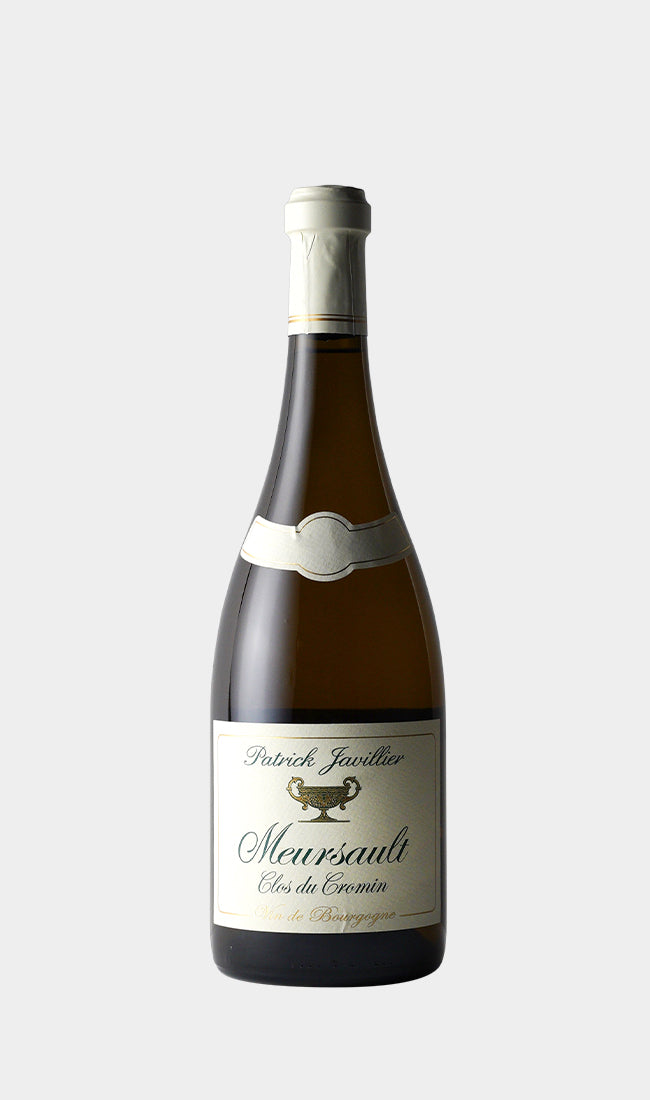
The perfect Grand Cru plot between Puligny-Montrachet and Chassagne-Montrachet. Planted in the 1960s and crafted into a masterpiece of powerful taste.
A signature cuvée from the rare meeting of clay, marl, and limestone. Complex, layered, and utterly expressive, each sip reveals a new layer of taste.
A subtle blend of Chassagne’s most distinctive climats. Smooth, delicate, and perfectly balanced for pure elegance in every sip.
Often seen as the benchmark for precision in white Burgundy, Puligny produces some of the finest expressions of Chardonnay. The wines are typically linear, mineral-driven, and elegant, with citrus, white flowers, and a refined, steely backbone. Its style contrasts with Chassagne by being more focused and less opulent.
Thin, chalky limestone soils with minimal clay are very well-drained and low in nutrients, limiting vine vigor. This leads to smaller berries and concentrated flavors, producing precise, mineral-driven Chardonnay with high acidity and linear structure.
~230–320 m. Prime mid-slope positioning ensures even ripening without excess heat, preserving elegance and tension in the wines.
Crafted in one of the highest-altitude Grand Crus, 1962 vines cultivate exceptional tension, yielding a mineral-driven expression that is refined, poised, and compelling.
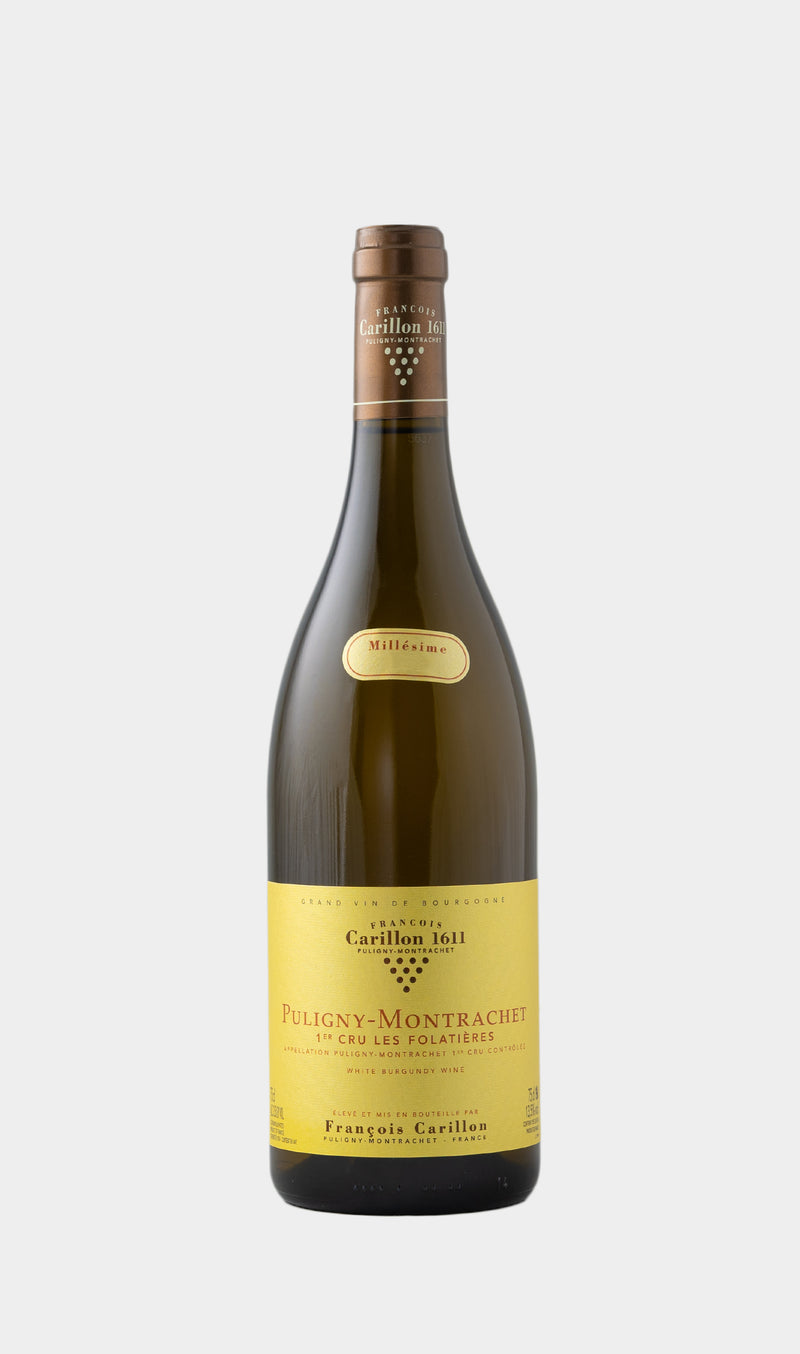
From a single vineyard on rocky, limestone-rich soils, this premier cru reveals an intensely mineral character, expressed with striking precision and poise.
From the village’s most outstanding climats, bordering the Bienvenues-Bâtard-Montrachet Grand Cru, this wine captures a rare combination of finesse and depth.
A charming Côte de Beaune village known primarily for approachable, value-driven Pinot Noir. The wines are generally lighter and more delicate than those of the Côte de Nuits, with bright red fruit, soft tannins, and a fresh, easy-drinking style. Small amounts of white wine are also produced, usually simple and crisp.
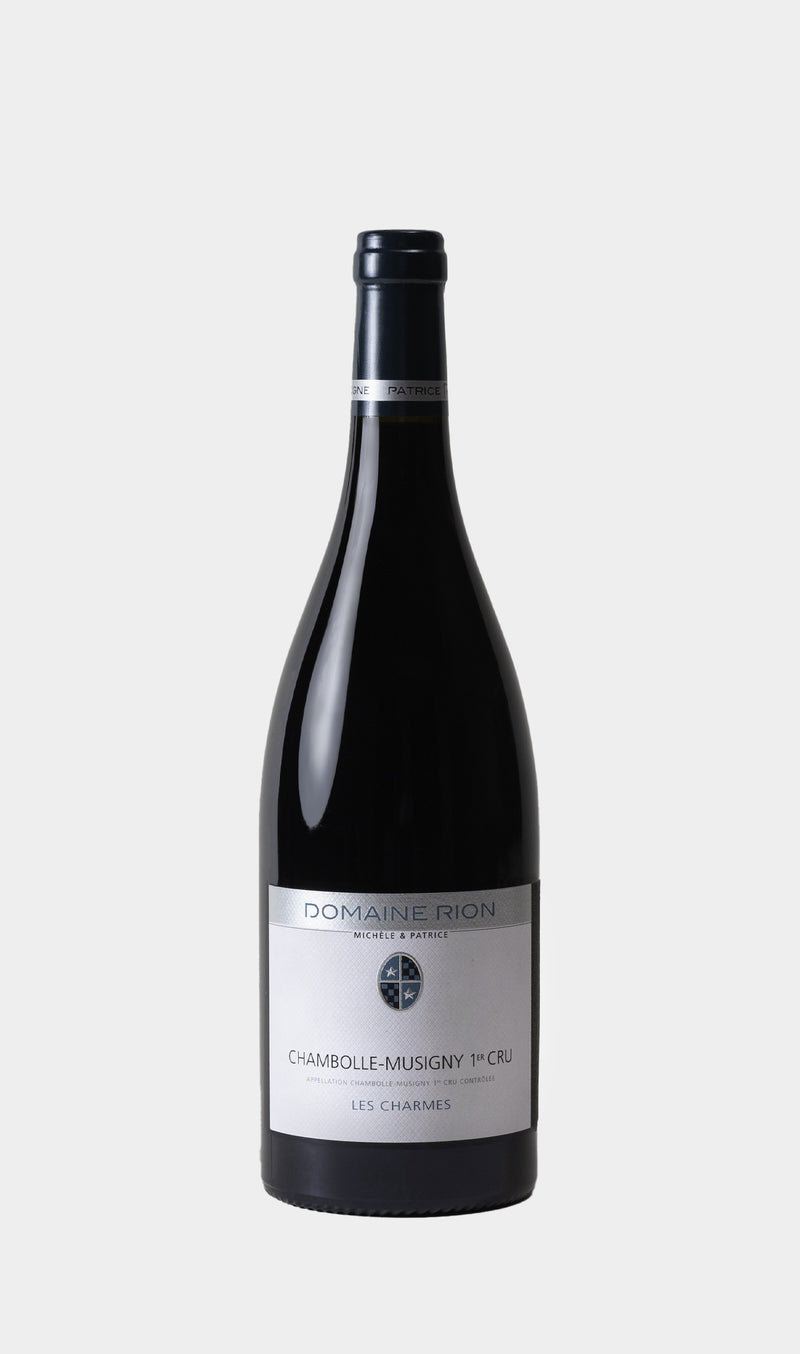
Predominantly limestone with patches of clay and some alluvial deposits. Lighter, stonier soils produce more delicate, aromatic Pinot Noir, while clay-rich areas yield rounder, fruit-forward styles with softer tannins.
~220–360 m. Varied elevations across valleys and slopes create a range of expressions, though generally cooler conditions favour freshness and lighter-bodied wines.
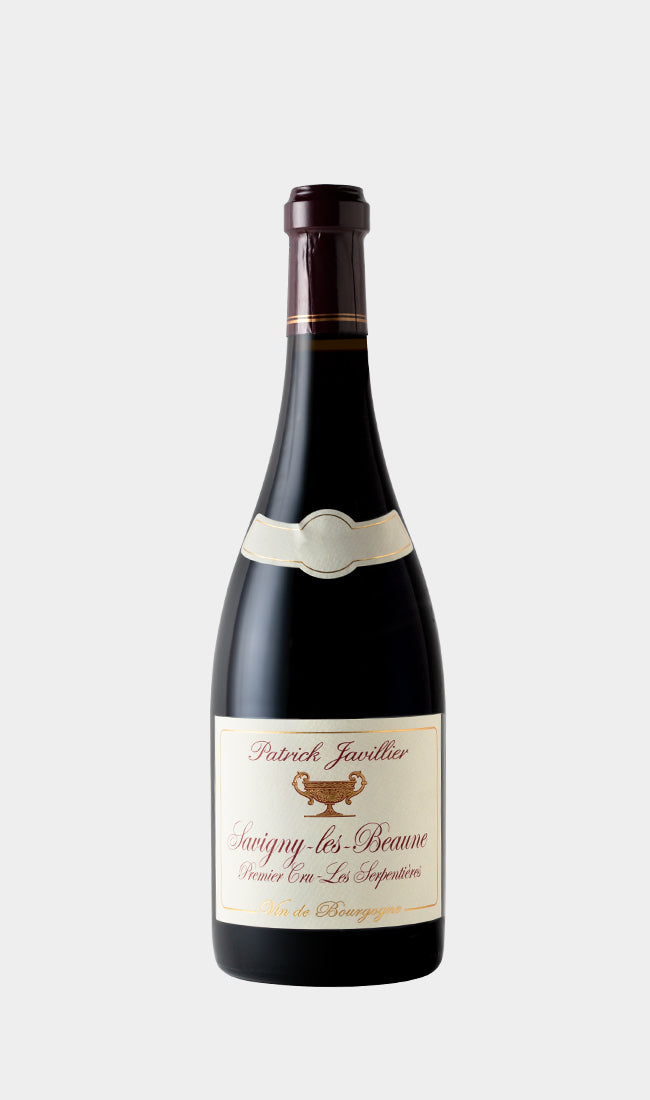
Sun-drenched slopes and cooling winds shape this special release from the Domaine’s emblematic terroir, revealing exceptional depth, precision, and harmony.
Planted progressively across three family generations in 1939, 1950, and 1979. This unique heritage lends the wine a beautifully structured, refined tannic profile.
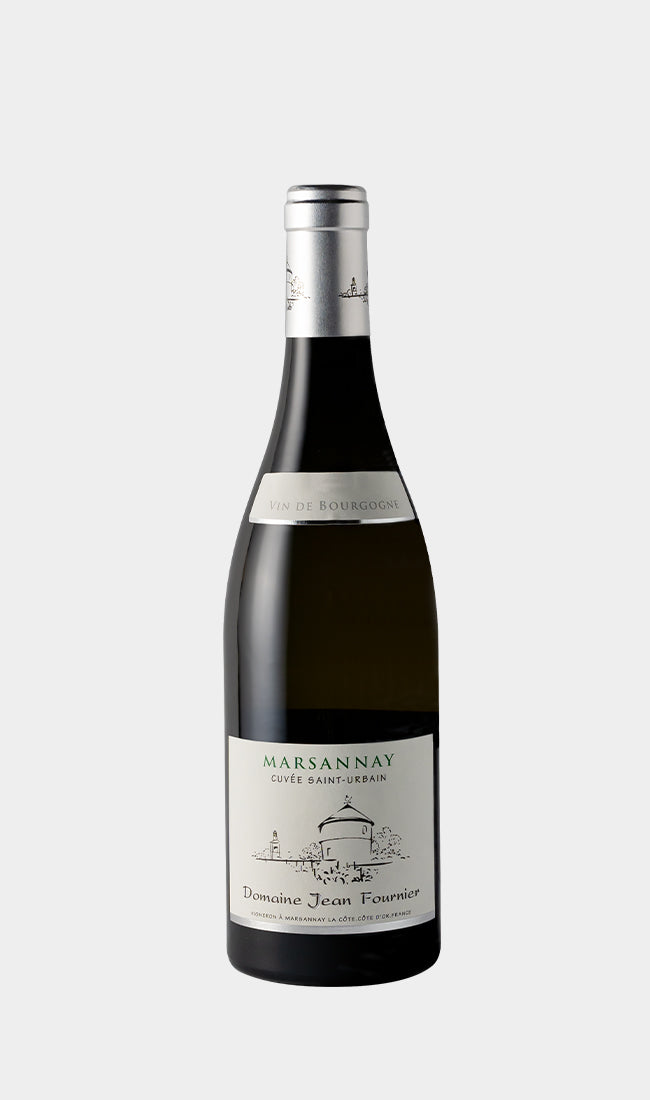
A surprising blend of Chardonnay and Pinot Gris, this wine delivers an intense flavor profile where richness, roundness, and freshness are perfectly balanced.
Thank you for submitting, we'll get back to you as quickly as possible.